







Search Results for: Tea Auction Process
Are Sri Lankan Ceylon black tea prices high? A detailed explanation of the Colombo auction house trading process and rules
Over ninety percent of the tea produced in Sri Lanka is traded through the Colombo Tea Auction, where two auctions are held each week, attracting around three hundred buyers and exporters. Black tea is the only category that enters the auction, and its transaction prices are regarded as an important benchmark for the global tea market. The auction floor may appear calm, but in reality the pace is rapid: the auctioneer calls out bids alternately in English and Sinhala, buyers signal with a raised hand, and the fall of the gavel seals the deal. This article will guide you through the workings of the Colombo Tea Auction, the bidding increment rules, and the key factors that drive fluctuations in Ceylon black tea prices, while also mentioning Front Street Coffee's black tea products. [more…]
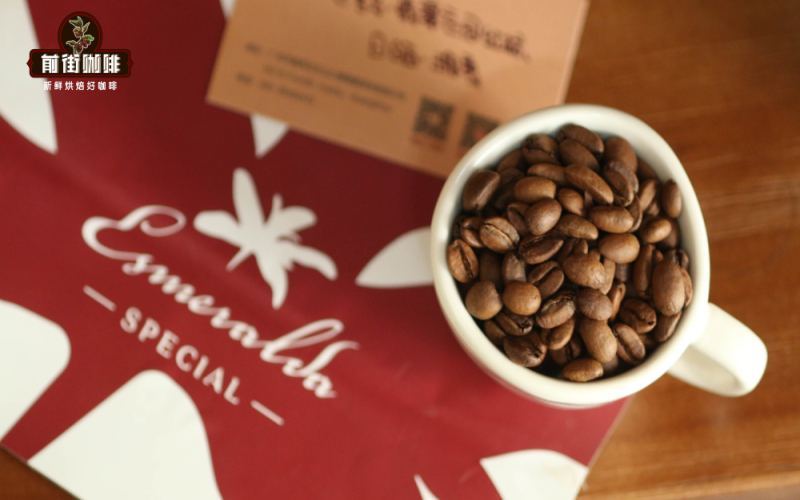
Panama Hacienda La Esmeralda Red Label Geisha: An In-Depth Look at the 2018 Auction Lot Yeast Processing Method
In the world of specialty coffee, Panama's Hacienda La Esmeralda Red Label Geisha has always been a focal point of great attention. In 2018, this competition lot debuted with a rare yeast anaerobic fermentation process, ultimately setting a high price of $340 per pound at auction. This article will take you deep into Hacienda La Esmeralda's producing region background, the discovery journey of the Geisha variety, the specific techniques of the yeast processing method, and the green bean characteristics, roasting, and brewing key points of this Red Label Geisha. Front Street Coffee also obtained a small amount of Red Label natural and yeast-processed lots this year, sharing them with coffee lovers at a relatively affordable price. [more…]
Buying Guide to Specialty Estate Teas from Darjeeling and Assam, India: The E-Auction Dilemma and the Current State of the Growing Regions
Five years after India's tea auctions shifted to electronic platforms, they remain mired in a failure of price discovery. The Federation of All India Tea Traders Associations (FAITTA) points out that digital auctions have failed to achieve their original goal of fair pricing, and the 2020 pandemic further strained production, transportation, and exports on multiple fronts. Meanwhile, the total output of small tea growers has surpassed that of registered estates for the first time, making them a new force in the industry. This article reviews the structural challenges currently facing India's tea industry—from disputes over auction mechanisms to changes in production, and from declining exports to the need for mechanization—providing enthusiasts of fine black teas such as Darjeeling and Assam with a comprehensive overview of producing-region developments and purchasing references. [more…]
Kenya and Sri Lanka Black Tea Price Trends: Is Basilur Expensive? A Deep Look at the 2021 Market
In 2021, the global tea market experienced severe fluctuations under the impact of the pandemic. Kenya's Mombasa auction saw increased volumes and stable prices, Sri Lanka's Ceylon black tea prices soared due to reduced production, and India debated whether to lower import tariffs because of high domestic prices. The food service channel accounts for 20% of global tea sales, and the pandemic led to the closure of a large number of restaurants, profoundly changing the supply and demand landscape. This article will review auction prices, production changes, and trade policy trends for Kenyan and Sri Lankan black tea, answer whether Basilur black tea is too expensive, a concern for tea lovers, and recommend related selection ideas from Front Street Coffee. [more…]
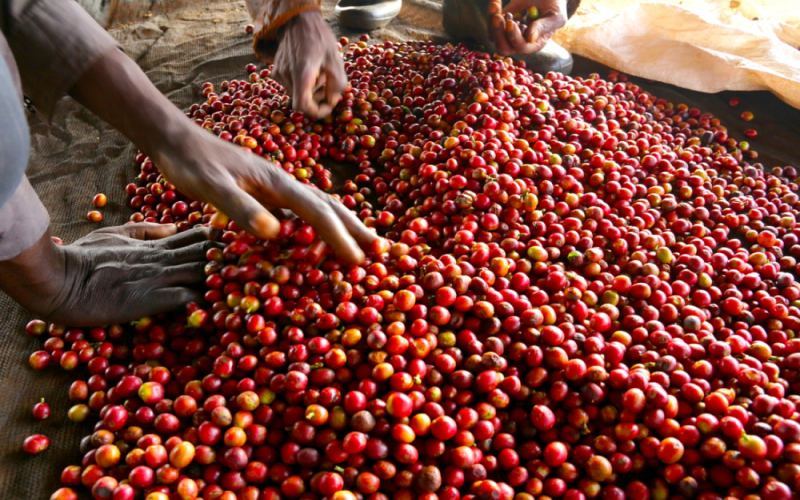
A Complete Analysis of Kenyan Coffee Regions: Geography, Terroir, Varieties, Grading, and the K72 Washing Process
Kenya is a representative producing country of East African specialty coffee, where the equator, volcanic soil, and high altitude together shape its signature bright acidity and complex flavors. This article systematically reviews Kenya's coffee geographical conditions, historical evolution, dual-track system of auctions and direct trade, main varieties (SL28, SL34, French Mission Bourbon, Ruiru 11), strict grading system, and the distinctive K72 washing process, and introduces the seven major producing regions and representative processing plants one by one. Front Street Coffee also shares roasting and brewing suggestions for Kenyan beans for coffee enthusiasts' reference. [more…]

Comparison of the Grading Systems and Flavor Profiles of Gesha Coffee Beans from Ethiopia's Gesha Village and Panama's Hacienda La Esmeralda Red Label
Geisha coffee is a highly sought-after variety in the specialty coffee world. It originated in Ethiopia but rose to fame at Hacienda La Esmeralda in Panama. Today, Ethiopia's Gesha Village Estate has also secured a place in the market with its native Geisha variety. This article will trace the history of Geisha coffee's varietal spread, explain in detail the classification logic and flavor characteristics of Hacienda La Esmeralda's Red Label, Green Label, and Blue Label, and systematically introduce the standards and flavor profiles of Gesha Village Estate's five grades—Auction Lot, Gold Label, Red Label, Green Label, and Chaka—to help coffee lovers more clearly understand the differences between Geisha coffee from these two major origins, so they can choose products suited to their own taste. [more…]

Exploring Ethiopia's Gesha Village Estate: The Origins, Grading System, and Full Flavor Analysis of Wild Geisha
When it comes to Geisha, most people first think of that cup of floral tea with rose aromas and citrus notes from Hacienda La Esmeralda in Panama. However, in the Bench Maji region of Ethiopia, there hides another estate famous for its native wild Geisha — Gesha Village. It was founded in 2011 by documentary filmmaker Adam Overton and his photographer wife Rachel Samuel, and boasts a strict grading system and a complete flavor traceability system. This article will take you deep into the discovery journey of Gesha Village, the grading standards for the Auction/ Gold/ Red/ Green/ Chaka lots, processing details, and block divisions, along with Front Street Coffee's brewing parameters and flavor descriptions for the Gold, Red, and Chaka lots, providing coffee lovers with a comprehensive guide to Gesha Village. [more…]
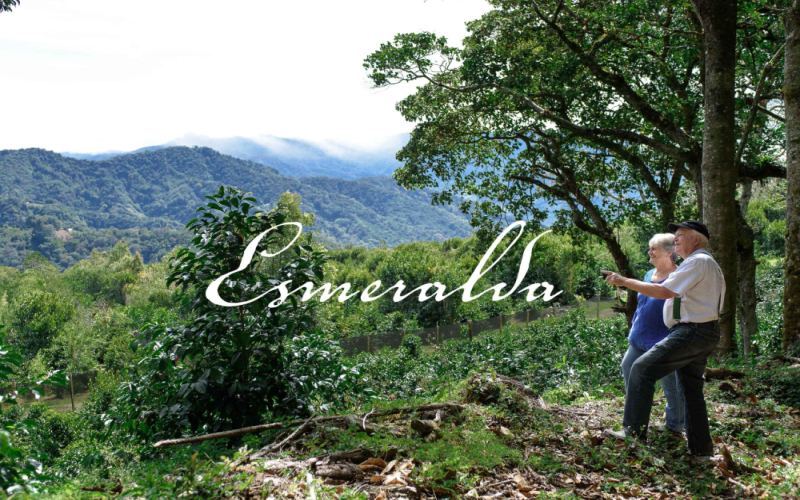
Hacienda La Esmeralda Geisha Red, Green, and Blue Label Grading Explained: Flavor Characteristics and Brewing Guide
Hacienda La Esmeralda in Panama is a legend in the specialty coffee world, and its Geisha coffee is renowned for its Red Label, Green Label, and Blue Label grading. This article, from the perspective of Front Street Coffee, reviews the history and origins of Hacienda La Esmeralda and its grading system, explains in detail the definitions, production areas, altitudes, and flavor characteristics of the Red Label, Green Label, and Blue Label respectively, and introduces the corresponding Geisha products on Front Street Coffee's shelves. In addition, the article also shares two methods and parameters for brewing Geisha with a siphon and a V60 dripper, helping coffee enthusiasts better appreciate the unique charm of Panamanian Geisha. [more…]
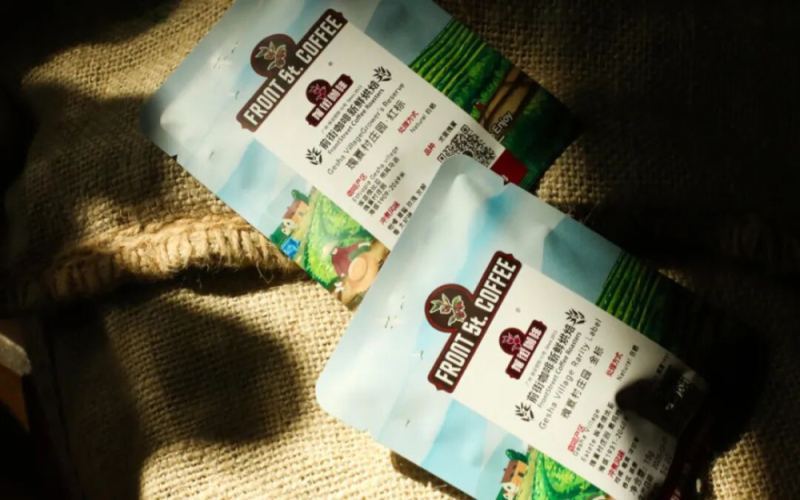
Pour-Over Coffee Bean Selection Guide: Tracing the Geisha Variety and Analyzing the Natural-Process Lot from Ethiopia's Gesha Village Estate
In the bean list for pour-over coffee, Geisha is always a name that cannot be avoided. This variety originated in Ethiopia, but rose to fame due to its discovery at Panama's Hacienda La Esmeralda. Today, Ethiopia's own Gesha Village Coffee Estate has also become a new focus in the specialty coffee world with its native germplasm and meticulous grading. From the perspective of Front Street Coffee, this article sorts out Geisha's migration path from the forest to the cup, compares Hacienda La Esmeralda's red, green, and blue label system with Gesha Village's grading logic of auction, gold label, red label, and Chaka lots, and explains in detail the flavor performance of Front Street's currently available Gesha Village gold label, red label, and Chaka natural Geisha, providing bean selection reference for pour-over enthusiasts. [more…]
Panama Hacienda La Esmeralda Geisha Auction Mechanism and Analysis of the Red, Green, and Blue Label Grades
Hacienda La Esmeralda in Panama is the starting point from which Geisha coffee rose to global prominence, and the key driving force that propelled this variety to the pinnacle of specialty coffee. The estate not only established a strict quality grading system with Red Label, Green Label, and Blue Label tiers, but also brought its top lots global attention through an independent auction mechanism. This article provides a complete overview of Hacienda La Esmeralda's history, the plot divisions of its three farms, and the cupping standards and flavor characteristics of each grade of Geisha, along with Front Street Coffee's brewing parameters and flavor descriptions for the Red Label, Green Label, and Blue Label Geishas, helping coffee enthusiasts fully understand the operational logic and product differences of this legendary estate. [more…]
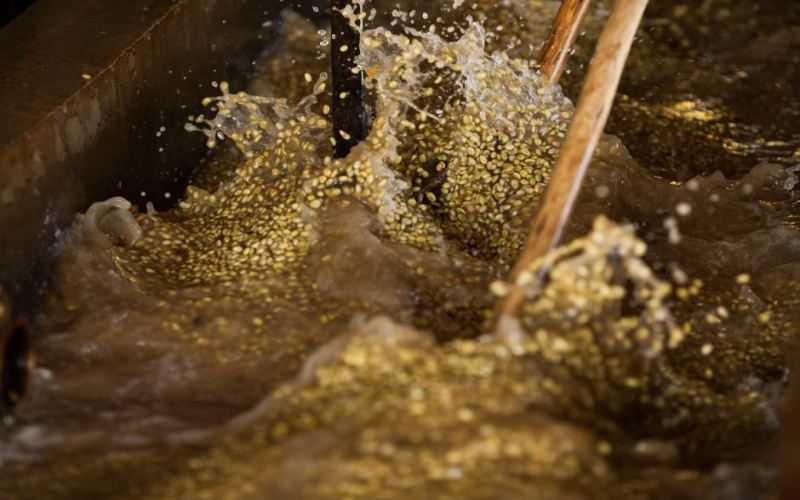
A Complete Guide to Kenya's K72 Double Washed Processing Method: Coffee Bean Flavor Characteristics, Auction System, and Regional Varieties
Kenya, though neighboring Ethiopia, has forged a distinctly different path in coffee development. From the British introduction of coffee in the 19th century, to the Scott Laboratories' selection and breeding of SL28 and SL34, and then to the repeated fermentation process of the K72 double washed method, Kenyan coffee is renowned for its intense acidity reminiscent of cherry tomatoes and dark plums. Front Street Coffee systematically reviews the historical context of Kenyan coffee, its auction trading system, the distribution of major producing regions and variety characteristics, and provides a detailed explanation of grading standards such as AA, AB, and PB. This article also presents the roasting curve, cupping flavor profile, and V60 pour-over parameters for Front Street's Kenya Asalia coffee beans, helping coffee enthusiasts gain a comprehensive understanding of the unique charm of this African producing country. [more…]
What Are the Differences Between Ethiopian Geisha and Panamanian Geisha? A Comparative Analysis of the Flavors of Geisha Coffee Beans from Two Major Estates
Geisha coffee is a star variety in the specialty coffee world, and when it is mentioned, most people first think of Panama's Hacienda La Esmeralda. However, Ethiopia, the birthplace of Geisha, now also has Gesha Village producing high-quality Geisha. Though both are called Geisha, what exactly are the differences between coffees from these two major producing regions? What are the distinctive features of each estate's background, grading system, and flavor performance? In this article, Front Street Coffee (FrontStreet Coffee) will sort out the origin and spread of the Geisha variety, explain in detail the Red Label, Green Label, and Blue Label grading system of Panama's Hacienda La Esmeralda, introduce Ethiopia's Gesha Village auction, Gold Label, Red Label, Green Label, and Chaka lots, and present the flavor differences between Geisha from the two places through brewing comparisons, helping coffee enthusiasts gain a comprehensive understanding of the unique charm of these two major Geisha-producing regions. [more…]
Why Does Panama Geisha Surpass Blue Mountain? Flavor Characteristics, Development History, and an Interpretation of Hacienda La Esmeralda Grades
In the landscape of specialty coffee, Panama Geisha is regarded by many enthusiasts as surpassing Jamaica Blue Mountain and Hawaii Kona, thanks to its bright floral aromas and complex fruit acidity. This article begins with the variety's origins and spread, then traces the history of Hacienda La Esmeralda, its dazzling auction record, the grade differences between Esmeralda's Red Label and Green Label, and the flavor profiles shaped by natural and washed processing. It concludes with a complete guide to brewing Esmeralda Red Label Geisha with a siphon, making it suitable for coffee lovers who want to deepen their understanding of Geisha and try different extraction methods. [more…]
Panama Boquete Geisha Coffee Beans: A Complete Flavor Analysis from Ethiopian Heirloom Variety to the New King of Specialty Coffee
While Jamaican Blue Mountain and Hawaiian Kona have long occupied the coffee throne, a dark horse from Ethiopia's native forests—Geisha—is rewriting the landscape of specialty coffee with hurricane force. This article takes you through Geisha's legendary journey from its discovery in 1931 to its dazzling rise at Hacienda La Esmeralda in Panama, recounting its glorious record of eleven championships and sky-high auction bids, and further, through hands-on testing with both pour-over and siphon extraction methods, deeply analyzing this bean's signature lemon-citrus aroma, honey-cream sweetness, and layer upon layer of oolong tea notes. Front Street Coffee will also share roasting and brewing insights to help you fully understand this green diamond capable of moving even the most seasoned connoisseur. [more…]

What is the difference between auction lot and same-lot coffee beans? An in-depth analysis using the example of Ethiopian COE26 same-lot beans
In the specialty coffee world, auction lots and same-lot coffees are often lumped together, but the two differ fundamentally in quality and scarcity. This article begins with a real sourcing experience at Front Street Coffee, recounting the team's attempt to purchase COE26 same-lot beans after missing out on an Ethiopian COE auction lot. The article systematically sorts out the competition format and process of the COE Cup of Excellence, the conceptual difference between auction lots and same-lot beans, and documents in detail this Yirgacheffe Worka washed bean's regional background, processing method, roasting curve, cupping performance, and brewing parameters. Will the final cupping result deliver the matcha aroma as hoped? Can same-lot beans replicate the surprise of an auction lot? The answer will be revealed in the article. [more…]
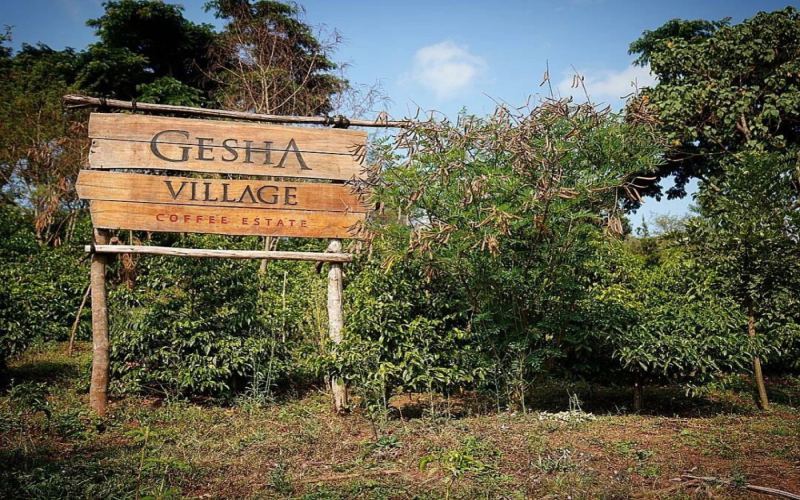
What are the differences between the various batches of coffee from Gesha Village in Ethiopia? A full breakdown of the Auction Lot, Gold, Red, Green, and Chaka
Ethiopia's Gesha Village Coffee Estate produces coffee with a style distinctly different from Panama Geisha, and has established a five-tier system: Auction, Gold, Red, Green, and Chaka. Front Street Coffee has long tracked and cupped these lots, and this article will go through the characteristics of each lot, from grading standards and flavor expression to natural processing and three-stage pour-over parameters. This year, the Gold Label shows a Panama-style profile of citrus, jasmine, honey, and tea notes; the Red Label is balanced with prominent nutty notes; the Green Label is full-bodied with berry acidity and vinous notes; and Chaka has a lower entry threshold with soft citrus and grapefruit acidity. It is suitable reading for coffee enthusiasts who want a systematic understanding of the Gesha Village product line. [more…]
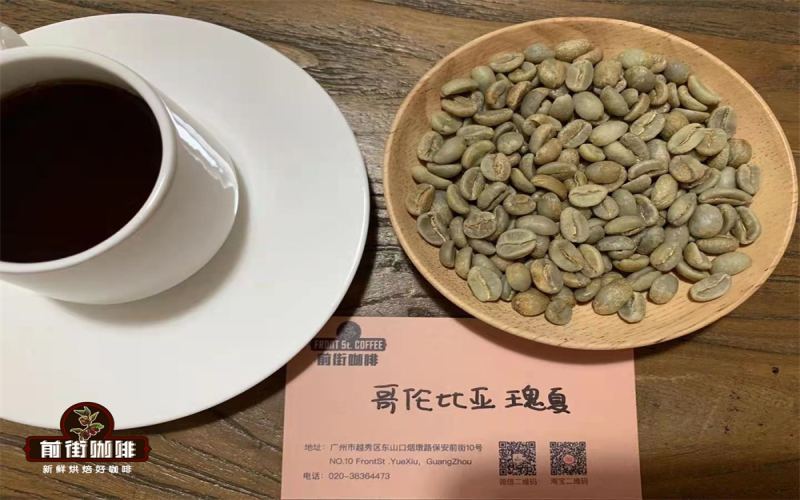
Panama Flying Geisha Estate Sun-Dried Geisha Flavor Analysis: A Complete Guide from Hacienda La Esmeralda Grading to Front Street Coffee Brewing Parameters
Geisha coffee has long been regarded as the pinnacle of specialty coffee, and Geisha produced in Panama is especially renowned for its complex, layered aroma. This article begins with a naturally processed micro-lot Geisha from Lingkong Estate, tracing its varietal origins, processing methods, and estate background, and then extends to the Geisha grading system of Panama's Hacienda La Esmeralda—the differences between Auction, Red Label, and Green Label. At the same time, drawing on Front Street Coffee's brewing experience, it provides extraction parameters and flavor references for light-roasted Geisha, helping coffee lovers understand Geisha's positioning and key tasting points. [more…]
A Complete Analysis of Kenyan Coffee Regions: From SL Varieties to the K72 Washing Method and the Historical Thread of the Auction System
Kenya is located in the equatorial zone of East Africa, with the Great Rift Valley running north to south through the country. The plateaus within its borders have an average elevation of about 1,500 meters, providing exceptional terroir conditions for coffee cultivation. Coffee is Kenya's second-largest agricultural export after tea, grown mainly on volcanic plots at elevations of 1,600 to 2,100 meters from the capital Nairobi to the areas around Mount Kenya. This article systematically examines the varietal composition of Kenyan coffee, the microclimatic characteristics of each major producing county, the iconic K72 washed processing method, the green bean grading system, and the evolution of the auction system from the colonial period to the rise of smallholder cooperatives—taking you deep into the complete picture of this heavyweight of African specialty coffee. [more…]
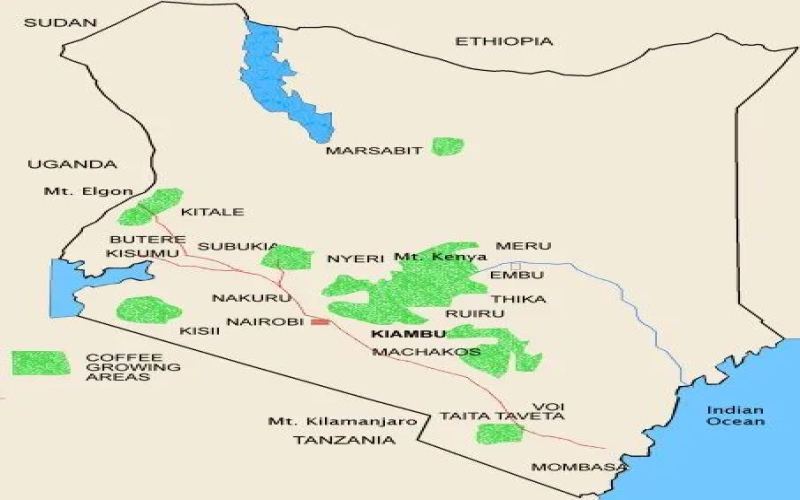
Kenya AA Grading and the K72 Washing Method: A Complete Interpretation from Variety and Region to Processing Technique
Kenya is one of the most important specialty coffee-producing countries in East Africa, where the equator, volcanic soil, and high altitude together shape its signature bright acidity and rich fruity aroma. This article systematically reviews the geographical conditions, historical context, variety composition, grading standards, K72 washed processing method, and the terroir differences of Kenya's seven major producing regions. It also combines Front Street Coffee's actual selections to introduce the flavor profiles of representative lots such as Karogoto, Hania Estate, and Asali, helping coffee enthusiasts gain a comprehensive understanding of the value system and tasting key points of Kenyan coffee. [more…]
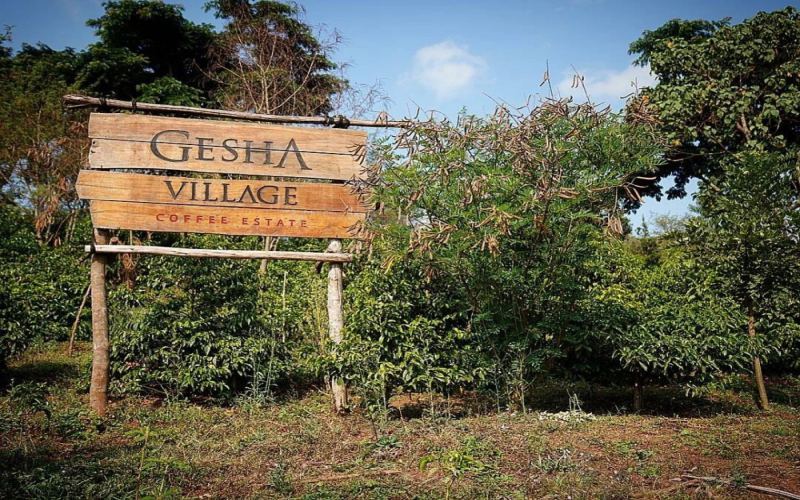
Ethiopia Gesha Village Coffee Estate Gold Label and Green Label Grading Explained: Flavor Characteristics and Pour-Over Parameter Guide
The Gesha Village Estate in Ethiopia is renowned for its strict grading system, classifying coffee beans into five grades: Auction, Gold, Red, Green, and Chaka. This article systematically introduces the geographical location of Gesha Village, its three major coffee varieties (Gori Gesha, Gesha 1931, and Illubabor) and their cultivation proportions, and provides a detailed interpretation of the definitions and production share of each grade. It also focuses on the Gold Label Gesha sold by Front Street Coffee, which comes from the Gesha 1931 variety in the Oma plot, uses a 30-day natural process, and cups with berry, melon, citrus, chamomile, and a tea-like sweet finish. The article also provides complete pour-over parameters, including grind size, water temperature, coffee-to-water ratio, and pouring technique, to help coffee enthusiasts reproduce this bean's rich layers at home. [more…]